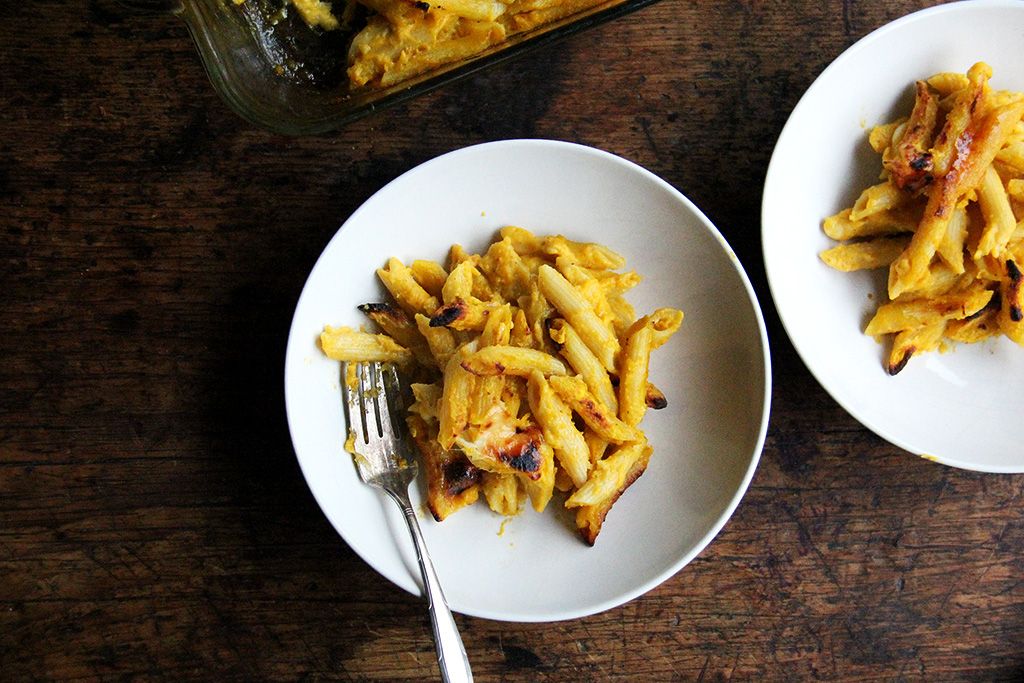
Mastering Baked Penne: Butternut Squash-Sage Sauce Variations & Tips
Few dishes evoke the cozy comfort of autumn quite like a perfectly executed baked pasta. But when that dish features the silky sweetness of butternut squash, the earthy aroma of fresh sage, and a golden, bubbly cheese crust, you've transcended mere comfort food. You've discovered the magic of
baked penne butternut squash sage sauce – a seasonal showstopper that effortlessly serves a crowd, delights the senses, and leaves everyone feeling utterly nourished.
This isn't just another pasta dish; it's an experience. Drawing inspiration from beloved recipes like Al Forno's famous baked pasta and adapted favorites from culinary luminaries such as Alexandra's Kitchen and Amanda and Merrill's *A New Way to Dinner*, this article delves deep into crafting a truly exceptional baked penne. We’ll explore the nuances of its star sauce, clever cooking techniques, and creative variations that will make this recipe a treasured part of your fall cooking repertoire. Whether you're planning a festive gathering or simply seeking the ultimate family meal, preparing this dish is a culinary journey worth taking.
The Heart of the Dish: Crafting the Perfect Butternut Squash-Sage Sauce
The soul of this baked penne lies in its rich, velvety butternut squash and sage sauce. It's a symphony of flavors – sweet, savory, and aromatic – that coats every piece of pasta with autumnal goodness. Getting this sauce right is paramount to the dish's success, and it starts with the foundation of the squash itself.
The Foundation: Roasting vs. Simmering Butternut Squash
While you *can* simmer butternut squash, roasting it first is a game-changer for depth of flavor. Roasting caramelizes the natural sugars in the squash, creating a complex sweetness and a richer, nuttier profile that a simple simmer can't achieve.
- Roasting Technique: Peel, deseed, and cube your butternut squash. Toss it with a good glug of olive oil, a generous pinch of salt, and freshly ground black pepper. Spread it in a single layer on a baking sheet and roast at 400°F (200°C) for 25-35 minutes, or until fork-tender and slightly browned at the edges. This step is crucial for unlocking the squash's full potential.
- Simmering Alternative: If time is tight, you can soften the squash by simmering it in vegetable broth or water until tender. While quicker, you'll miss out on the rich, caramelized notes that roasting provides.
The Aromatic Star: Fresh Sage
Sage is the indispensable aromatic partner to butternut squash. Its earthy, slightly peppery, and piney notes cut through the squash's sweetness, adding a sophisticated layer of flavor. It's essential to use *fresh* sage for this recipe; dried sage simply won't deliver the same vibrant punch.
- Incorporation: Finely chop fresh sage leaves and sauté them gently in butter or olive oil (or the rendered fat from pancetta, if using) until fragrant, usually just a minute or two. This process "blooms" the sage, coaxing out its full aromatic power before it's blended into the sauce.
- Balancing Act: Be mindful not to overdo it with sage, as its flavor can become dominant. A good handful (typically 1-2 tablespoons chopped) is usually sufficient for a sauce serving 6-8.
Achieving Creaminess: Dairy Choices and Beyond
One of the beautiful things about butternut squash is its natural creaminess when pureed. This allows for flexibility in your dairy choices, letting you control the richness of your sauce. The references highlight successful variations using both 1 cup and 1/2 cup of heavy cream, demonstrating that the squash itself contributes significantly to the desired texture.
- Heavy Cream: For an undeniably decadent and rich sauce, heavy cream is the traditional choice. It adds luxurious mouthfeel and flavor.
- Lighter Dairy Options: For a slightly less indulgent version, half-and-half or whole milk can be used. The inherent creaminess of the pureed squash ensures the sauce won't feel thin.
- Non-Dairy Alternatives: To make the sauce vegan-friendly, consider full-fat coconut milk (be aware of a subtle coconut flavor) or a homemade cashew cream. These options maintain a lovely, smooth consistency.
- Blending for Perfection: Once your roasted squash, sautéed sage, and chosen liquid are combined, use an immersion blender or a standard blender to achieve a velvety-smooth consistency. This step is key for a luxurious sauce that evenly coats the penne.
Elevating Your Baked Penne: Cheese, Pasta, and Baking Techniques
While the sauce forms the foundation, it's the interplay of perfectly cooked pasta, a medley of melting cheeses, and the magic of the oven that transforms this dish into a truly memorable baked penne.
The Cheese Factor: A Symphony of Melts
A crucial element of any great baked pasta is the cheese – or, more accurately, cheeses. The references mention mozzarella, Parmesan, and Fontina, and combining them offers a superior experience.
- Mozzarella: Known for its incredible melt and stretch, mozzarella provides that classic gooey texture in every bite. Opt for low-moisture, whole-milk mozzarella for the best results.
- Parmesan: Grated Parmesan (Parmigiano-Reggiano) adds a sharp, salty, and umami punch. It’s sprinkled throughout the dish and often forms a golden, crispy crust on top, adding a textural contrast to the creamy sauce.
- Fontina: As suggested in the references, Fontina is an excellent choice for its buttery, nutty flavor and superior melting qualities. It melts beautifully, adding another layer of richness and depth to the cheese blend.
- Expert Tip: Always grate your own cheese from blocks. Pre-shredded cheeses often contain anti-caking agents that can hinder smooth melting and alter the texture. Also, when mixing cheese into the sauce with the pasta, do so off the heat to prevent it from becoming stringy or clumping prematurely in the pan.
Pre-Cooking Perfection: Al Dente is Key
One common mistake in baked pasta is overcooking the noodles before they even hit the oven. Since the pasta will continue to cook and absorb flavor in the hot oven, it's vital to par-cook it to a firm al dente stage – about 2-3 minutes less than the package directions.
- Season Your Water Like Broth: This is a non-negotiable step. As highlighted in the references, generously salting your pasta water until it tastes like broth is crucial. Pasta absorbs this salty flavor, making every strand more delicious and seasoned from within. This also contributes to the overall flavor profile of the dish and aids in sauce adhesion.
- Penne Choice: Penne pasta, with its tubular shape and ridges, is ideal for baked dishes. It holds the rich butternut squash sauce wonderfully, ensuring every bite is packed with flavor.
The Baking Process: Golden Tops and Melty Centers
The final transformation happens in the oven. Baking this dish achieves several delightful things: it allows the flavors to meld, the sauce to thicken slightly, and the cheese to melt into a glorious, bubbling, golden-brown crust with tantalizingly crispy pasta tips.
- Temperature and Time: Preheat your oven to a moderately high temperature, typically 375-400°F (190-200°C). Bake for 20-30 minutes, or until the sauce is bubbly around the edges and the cheese on top is melted, golden, and slightly browned.
- The Broiler Boost: For an extra crispy, deeply golden cheese crust, you can carefully place the dish under a broiler for the last 2-3 minutes. Watch it closely, as it can go from perfect to burnt very quickly!
Beyond the Basics: Creative Variations and Serving Tips
While the classic
baked penne butternut squash sage sauce is divine on its own, its versatility allows for exciting variations that cater to different tastes and dietary needs. Don't be afraid to experiment and make this dish truly your own.
Savory Add-ins: Pancetta and More
For those who appreciate a meaty counterpoint, incorporating savory elements can elevate the dish even further.
- Pancetta Perfection: As suggested in the references, few flavors marry as well as butternut squash, sage, and pancetta. Crisp pancetta adds a salty, savory depth and a delightful textural crunch. Render it first, then use the flavorful fat to sauté your sage.
- Other Meaty Options: Crumbled Italian sausage (sweet or spicy), shredded rotisserie chicken, or crispy bacon bits can also be fantastic additions, providing extra protein and flavor complexity.
- Vegetable Boost: Beyond the squash, consider sautéed mushrooms (a great swap option from the references), caramelized onions, wilted spinach, or roasted bell peppers for added nutrients and flavor.
Vegetarian and Vegan Adaptations
This dish is inherently flexible and can be easily adapted for various dietary preferences without sacrificing flavor.
- Vegetarian: Simply omit any meat add-ins like pancetta. The dish is already robust and flavorful with just the squash, sage, and cheese.
- Vegan: This requires a few thoughtful swaps. Use olive oil instead of butter for sautéing. Replace dairy cream with full-fat coconut milk or a homemade cashew cream. For the cheese, nutritional yeast can mimic a cheesy flavor in the sauce, and a high-quality vegan mozzarella or Parmesan alternative can be used for melting on top. Remember, the natural creaminess of the butternut squash is your biggest asset here. As the reference suggests, feel free to substitute other squashes like acorn squash or even pureed pumpkin for subtle flavor variations.
Make-Ahead Magic and Reheating
One of the greatest advantages of baked pasta dishes is their suitability for make-ahead preparation, making them a fantastic choice for entertaining or busy weeknights.
- Prepare Ahead: Assemble the entire dish, cover it tightly with foil, and refrigerate for up to 24 hours. When ready to bake, you might need to add an extra 10-15 minutes to the baking time since it’s starting from cold.
- Freezing: For longer storage, you can freeze the assembled and unbaked dish (ensure your baking dish is freezer-safe). Thaw overnight in the refrigerator before baking, or bake directly from frozen (this will significantly increase baking time).
- Reheating: Individual portions reheat beautifully in the microwave. For larger portions or to maintain that crispy topping, reheat in the oven at 350°F (175°C) until warmed through, loosely covered with foil to prevent drying.
If you're looking for more inspiration on creating the ultimate autumn comfort dish, check out our guide on
Ultimate Baked Penne with Butternut Squash & Sage: A Fall Crowd-Pleaser.
This delightful baked penne is fantastic on its own, but it pairs wonderfully with a simple green salad dressed with a light vinaigrette to cut through the richness. A side of crusty bread is perfect for soaking up any remaining sauce. For a wine pairing, a light-bodied Chardonnay or a Pinot Noir would complement the autumnal flavors beautifully. This dish truly is
Your Go-To Fall Pasta: Baked Penne with Butternut Squash-Sage Sauce, perfect for any occasion from a casual weeknight dinner to a festive gathering.
Conclusion
The
baked penne butternut squash sage sauce is more than just a recipe; it's a celebration of seasonal ingredients, comforting flavors, and the joy of sharing good food. By paying attention to the details – from roasting the squash for maximum flavor to properly salting your pasta water and selecting the right cheeses – you can create a dish that is deeply satisfying and truly unforgettable. Embrace the warmth, aroma, and deliciousness that this timeless baked pasta brings to your table this fall. It’s a dish that promises to become a cherished tradition.