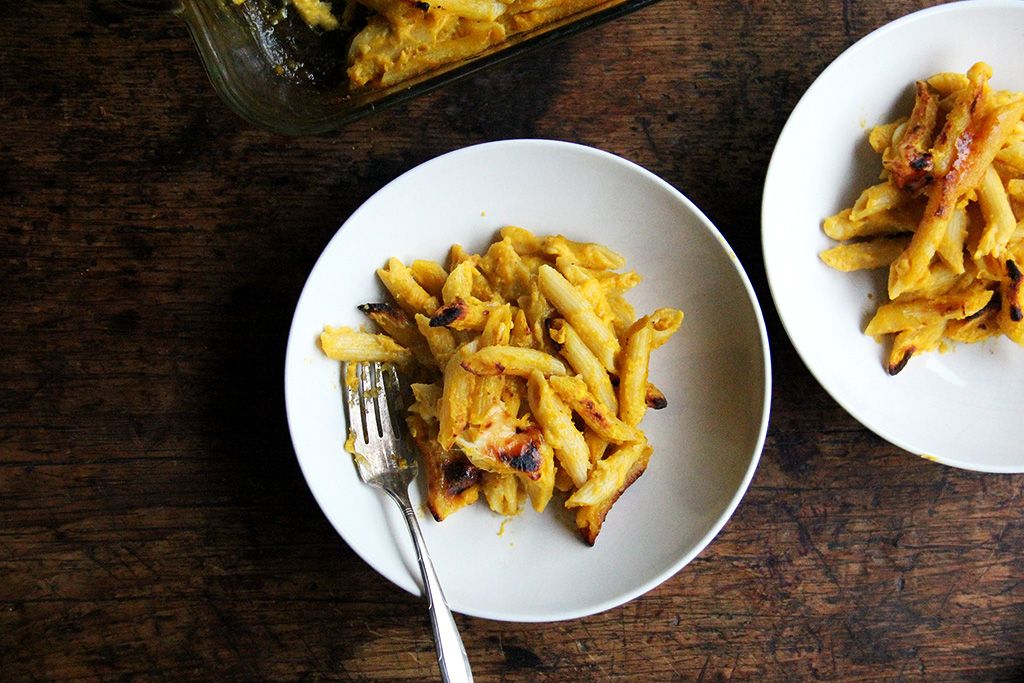
Embrace Autumn with Your Ultimate Baked Penne Butternut Squash Sage Sauce
As the leaves begin to turn and the air grows crisp, our palates instinctively crave comfort. There’s a longing for dishes that are warm, hearty, and imbued with the rich, earthy flavors of the season. Enter your new go-to fall pasta: a magnificent
baked penne butternut squash sage sauce. This isn't just any pasta dish; it's a celebrated culinary creation, an adaptation of timeless favorites that promises to become a staple in your autumn cooking repertoire, especially when feeding a hungry crowd.
Inspired by renowned baked pasta traditions, like the much-adored dishes from Al Forno, this recipe takes the simple joy of pasta and elevates it into a deeply satisfying, creamy, and gloriously golden casserole. It masterfully combines the sweet, nuanced earthiness of butternut squash with the distinctive, aromatic warmth of fresh sage, all brought together in a luxurious sauce. When baked with a generous helping of both mozzarella and parmesan cheese, the result is a textural symphony: tender pasta coated in a velvety sauce, topped with a crisp, bubbling crust and irresistibly gooey cheese pull. It's a dish that embodies the very essence of fall, providing warmth, flavor, and an undeniable sense of home.
Crafting the Heart of the Dish: The Butternut Squash-Sage Sauce
The magic of this baked penne truly lies in its sauce. A vibrant, velvety butternut squash-sage sauce is the foundation, enveloping each piece of penne in autumnal goodness. While it can certainly stand alone as a delightful sauce for boiled noodles, its robust flavor and creamy texture make it an ideal candidate for baking, holding up beautifully under high heat and melding seamlessly with the cheeses.
The Star Ingredient: Butternut Squash
Choosing and preparing your butternut squash is the first step towards an unforgettable sauce. Look for a squash that feels heavy for its size, with firm, unblemished skin. While some recipes suggest boiling or steaming, we highly recommend roasting the squash for this dish. Roasting caramelizes its natural sugars, deepening its flavor profile and adding a delightful sweetness that is unparalleled. Simply halve the squash, scoop out the seeds, brush with a little olive oil, and roast until fork-tender and slightly browned at the edges. This simple technique transforms the squash from merely good to truly spectacular, infusing your sauce with an incredible depth of flavor.
The Aromatic Companion: Fresh Sage
Few herbs complement butternut squash as perfectly as fresh sage. Its distinctive, slightly peppery, pine-like aroma and flavor are the quintessential taste of fall. For this sauce, fresh sage is non-negotiable; its vibrant oils and fragrant leaves infuse the creamy base with an intoxicating perfume that dried sage simply cannot replicate. You’ll want to gently sauté the sage in butter or olive oil early in the sauce-making process to release its essential oils, allowing its essence to permeate every layer of flavor.
Building the Creamy Base
With your roasted butternut squash and aromatic sage ready, it's time to build the creamy foundation. Start with a fragrant base of finely chopped onion and garlic, softened in olive oil or butter until translucent and sweet. Add the roasted squash, along with a touch of vegetable broth to help it blend into a smooth purée. This forms the naturally creamy backbone of the sauce.
When it comes to the "cream" aspect, you have options. While some classic recipes, including early inspirations for this dish detailed in works like Amanda and Merrill's
A New Way to Dinner, might call for a full cup of heavy cream, you'll find that the inherent creaminess of butternut squash often allows you to use less. Many home cooks, ourselves included, have had great success with just half a cup of heavy cream, or even lighter alternatives like half-and-half or whole milk, without sacrificing richness. The key is to blend until silky smooth, then season generously with salt, black pepper, and perhaps a pinch of nutmeg to enhance the squash's sweetness.
For an even deeper dive into perfecting this component, explore
Ultimate Baked Penne with Butternut Squash & Sage: A Fall Crowd-Pleaser, where we share more insights into creating a truly exceptional sauce.
Assembling and Baking Your Perfect Fall Pasta Casserole
Once your luscious butternut squash-sage sauce is ready, the assembly of your baked penne begins. This stage is where the dish truly transforms from a simple pasta with sauce into a comforting, bubbling casserole.
Preparing Your Penne
For baked pasta dishes, the mantra is always "al dente, or even a little less." You'll want to par-cook your penne pasta, boiling it for a few minutes less than the package instructions suggest. This is crucial because the pasta will continue to cook in the oven, absorbing the flavors of the sauce and becoming perfectly tender without turning mushy. Remember the cardinal rule of pasta water: season it generously with salt until it tastes like broth. This infuses flavor directly into the pasta from the very beginning, a technique championed by culinary experts for enhancing the overall taste of your dish. Penne, with its tubular shape and ridged surface, is an excellent choice for this recipe, as it effectively captures and holds the rich, creamy sauce.
The Cheese Factor
Cheese is undeniably a star in any baked pasta dish, and this
baked penne butternut squash sage sauce is no exception. A harmonious blend of cheeses adds both flavor and that irresistible molten texture.
- Mozzarella: Provides the quintessential melty, stretchy goodness and a mild, creamy flavor that complements the squash without overpowering it. Freshly grated mozzarella melts beautifully.
- Parmesan: Offers a sharp, salty, umami kick that balances the sweetness of the squash. Grate it fresh for the best flavor.
- Fontina: As mentioned in some foundational adaptations, fontina is another excellent choice. It lends a slightly nutty, extra creamy texture and a more pronounced flavor profile than mozzarella, making for an even richer dish. Feel free to use a blend of mozzarella and fontina, or just one or the other based on your preference.
A portion of the cheese will be mixed directly into the pasta and sauce, while the remainder will form that coveted crispy, golden crust on top. To prevent the cheese from becoming stringy or clumpy in the pan if adding it directly to a hot sauce, stir it in off the heat just before assembling.
The Baking Transformation
Now for the grand finale: the baking. In a large bowl, combine your par-cooked penne with the warm butternut squash-sage sauce and about two-thirds of your chosen cheese blend. Toss gently to ensure every piece of pasta is coated in the luxurious sauce. Transfer this mixture into a greased baking dish, spreading it evenly. Top with the remaining cheese, ensuring a generous layer for that perfect crispy crust.
Bake in a preheated hot oven (typically around 375-400°F or 190-200°C) until the sauce is bubbling merrily, the pasta tips peeking out are beautifully crispy, and the cheese on top has melted into a golden, irresistible blanket. This process allows the flavors to meld, the pasta to finish cooking to perfection, and the exterior to develop those delightful textural contrasts that make baked pasta so immensely satisfying.
Tips for a Flawless Baked Penne Experience
Achieving baked pasta perfection requires attention to a few key details. These tips will help ensure your
baked penne butternut squash sage sauce turns out flawlessly every time.
- Season at Every Stage: From salting your pasta water to tasting and adjusting the sauce, seasoning is critical. Don't be shy with salt and pepper; proper seasoning elevates all the flavors.
- Don't Overcook the Pasta Initially: As mentioned, cooking the penne to just shy of al dente is paramount. This prevents it from becoming mushy during the baking process.
- Roast Your Squash: While boiling is an option, roasting truly brings out the best in butternut squash, adding depth and sweetness that cannot be achieved otherwise.
- Allow for Rest: After baking, let your casserole rest for 5-10 minutes before serving. This allows the sauce to set slightly, making it easier to serve and preventing it from being too runny.
- Make-Ahead Magic: This dish is a fantastic make-ahead option. You can prepare the sauce entirely a day or two in advance. You can also assemble the entire casserole (without baking) and refrigerate it. Add an extra 10-15 minutes to the baking time if baking from cold.
- Freezing Instructions: Baked penne freezes beautifully! Bake the dish, let it cool completely, then cover tightly with foil or transfer individual portions to freezer-safe containers. Thaw in the refrigerator overnight and reheat in the oven or microwave.
For more advanced techniques and imaginative twists to this autumnal masterpiece, refer to
Mastering Baked Penne: Butternut Squash-Sage Sauce Variations & Tips.
Creative Variations and Serving Suggestions for Your Fall Feast
While the classic
baked penne butternut squash sage sauce is a masterpiece in its own right, its versatility allows for delightful variations to suit different tastes and dietary needs.
Elevating Flavors with Add-ins
- Pancetta or Bacon: For a savory, smoky dimension, render some diced pancetta or bacon until crispy. Drain most of the fat, then stir the crispy bits into the sauce, or sprinkle on top before baking. Few flavors marry as well as butternut squash, sage, and pancetta, making it the ultimate fall pasta for many.
- Vegetarian Boosts: To add more substance and nutrition, sauté some mushrooms, spinach, or kale and fold them into the sauce before combining with the pasta.
- Nutritional Yeast: For a dairy-free or extra cheesy, umami boost, a sprinkle of nutritional yeast can be added to the sauce.
Beyond Penne: Pasta Swaps
While penne is traditional, feel free to substitute with other short, hearty pasta shapes that can hold the rich sauce well. Rotini, rigatoni, or even orecchiette would work wonderfully, offering slightly different textures and visual appeal. You can also swap out butternut squash for another type of squash or pumpkin, or even a mix, for subtle flavor variations.
What to Serve With It
This substantial dish pairs beautifully with simple accompaniments that cleanse the palate and provide contrast.
- Green Salad: A crisp, lightly dressed green salad (think mixed greens with a vinaigrette) offers a refreshing counterpoint to the rich pasta.
- Crusty Bread: A warm, crusty loaf of artisanal bread is perfect for soaking up any leftover sauce.
- Wine Pairing: A light-bodied red wine like a Pinot Noir or a dry, crisp white such as a Sauvignon Blanc or unoaked Chardonnay would complement the flavors without overpowering them.
This
baked penne butternut squash sage sauce is more than just a meal; it's an experience. It's a culinary hug that embodies the very best of autumn, inviting warmth, comfort, and togetherness to your table. Whether you're cooking for a quiet family dinner or hosting a grand fall feast, this dish promises to impress, delight, and become a cherished part of your seasonal traditions. Enjoy the process of creating this flavorful masterpiece, and savor every glorious bite!